
Blogs
What are Different Metal Fabrication Techniques?

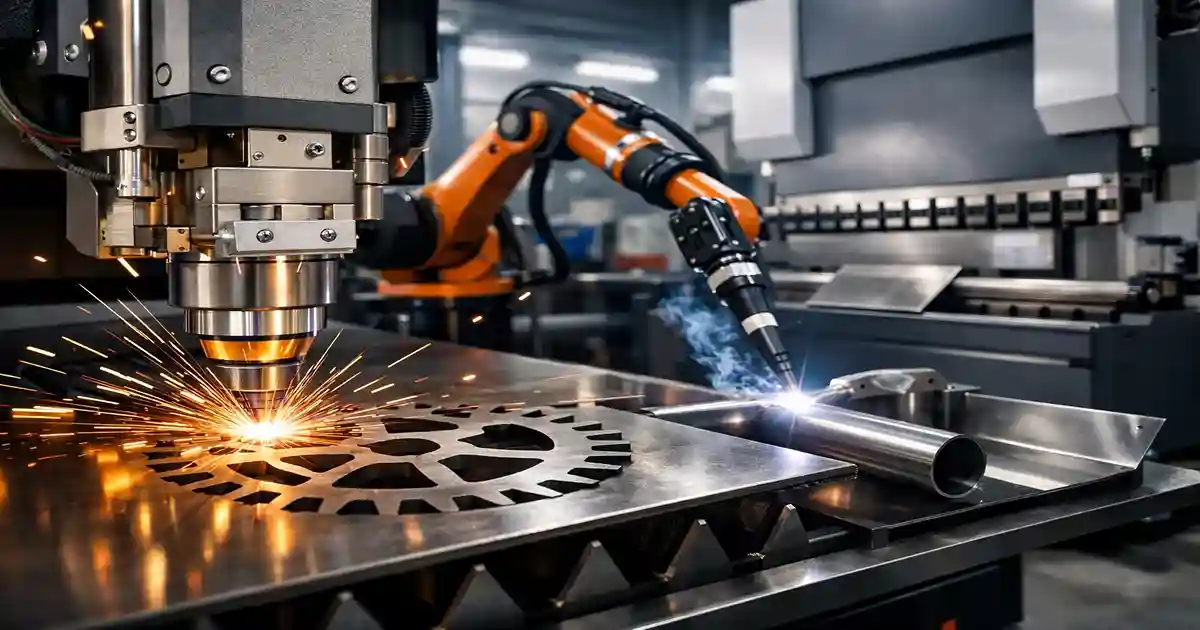
If you work with metal in any capacity, you’ve likely come across the term metal fabrication techniques. But what does that actually mean for your project?
At its core, fabrication is about turning raw metal into usable parts. That could be a simple rod cut to length or a complex component shaped, threaded, and assembled. The challenge is knowing which process to use and when.
Understanding metal fabrication techniques helps you make better decisions. It reduces waste, improves fit, and avoids delays during assembly.
Cutting: Where Every Project Begins
Most fabrication projects start with cutting. This is the step where raw material is shaped into manageable pieces.
Different fabrication techniques use different cutting methods. Mechanical cutting, laser cutting, and plasma cutting are all common. The method you choose depends on thickness, precision, and production volume.
If you need clean edges and tight tolerances, precision cutting is essential. A poor cut can affect everything that comes after, from bending to assembly.
Bending and Forming: Shaping the Material
Once the material is cut, the next step often involves shaping it. This is where forming comes in.
Bending, rolling, and shaping are all part of advanced metal fabrication techniques. These processes allow you to create components that fit exact structural or mechanical requirements.
For example, forming rods into hooks, brackets, or custom shapes requires controlled pressure and accurate measurements. Even a slight deviation can affect how the final part performs.
Threading and Fastening: Making Components Functional
Fabrication is not just about shape. It’s also about function.
Threading is one of the most important fabrication techniques because it allows components to connect securely. Whether you’re working with threaded rods, bolts, or fasteners, proper threading ensures alignment and strength.
If threads are inconsistent or poorly cut, installation becomes difficult. In high-load applications, this can lead to failure. That is why precision matters at this stage.
Welding and Assembly: Bringing It All Together
After cutting and forming, components often need to be joined. Welding is one of the most widely used metal fabrication techniques for this purpose.
Welding creates strong, permanent connections between metal parts. It is commonly used in structural applications, machinery, and frameworks.
Assembly can also involve bolting or fastening components together. The goal is always the same. You want a secure, stable structure that performs under real-world conditions.
Why the Right Technique Matters
Choosing the right approach from the start makes your project smoother. When you understand fabrication techniques, you avoid unnecessary adjustments and delays.
Each technique has a purpose. Cutting prepares the material. Forming shapes it. Threading makes it functional. Welding brings everything together. Also read about Can You Powder Coat Galvanized Steel.
When these steps are done correctly, the final product fits better, performs better, and lasts longer.
How This Connects to Real Fabrication Work
In real-world manufacturing, these techniques are rarely used in isolation. Most projects require a combination of processes working together.
At Stelrod Mfg, fabrication is approached as a complete system. From cutting and forming to threading and finishing, each step is handled with precision to ensure consistent results.
This kind of integrated approach helps reduce errors and keeps production on track.
Final Thoughts
Understanding metal fabrication techniques gives you more control over your project. You make better choices about materials, processes, and timelines.
Whether you are working on structural components, fasteners, or custom parts, every step matters.
If you are planning a project and want reliable results, working with a team that understands fabrication techniques can make all the difference.