
Blogs
How to Cut Steel Using Different Methods

When it comes to fabrication, construction, or manufacturing, knowing how to cut steel properly makes all the difference. A clean cut affects not only the appearance of the material but also how well it performs in its final application. Whether you’re working with mild steel rods, stainless steel bar, or structural components, choosing the right cutting method protects material integrity and saves time during assembly.
At Stelrod Mfg, cutting steel is not just about slicing through metal. It’s about precision, consistency, and preparing the material so it performs exactly as intended. If you’re wondering how to cut steel efficiently and accurately, the answer depends on the material type, thickness, and the application it’s meant for.
Understanding the Type of Steel First
Before deciding how to cut steel, you need to understand what type of steel you’re working with. Mild steel, stainless steel, and high-carbon steel each behave differently under cutting conditions. Mild steel is generally easier to cut, while stainless steel requires more control due to heat sensitivity and work hardening.
Thickness also matters. Thin steel sheet requires a different approach than solid round bar or heavy structural steel. Selecting the right method from the start prevents excessive burrs, overheating, or distortion.
Common Methods for Cutting Steel
There are several proven ways to approach how to cut steel, and each has its place in industrial work.
1. Mechanical Cutting (Cold Saw & Band Saw)
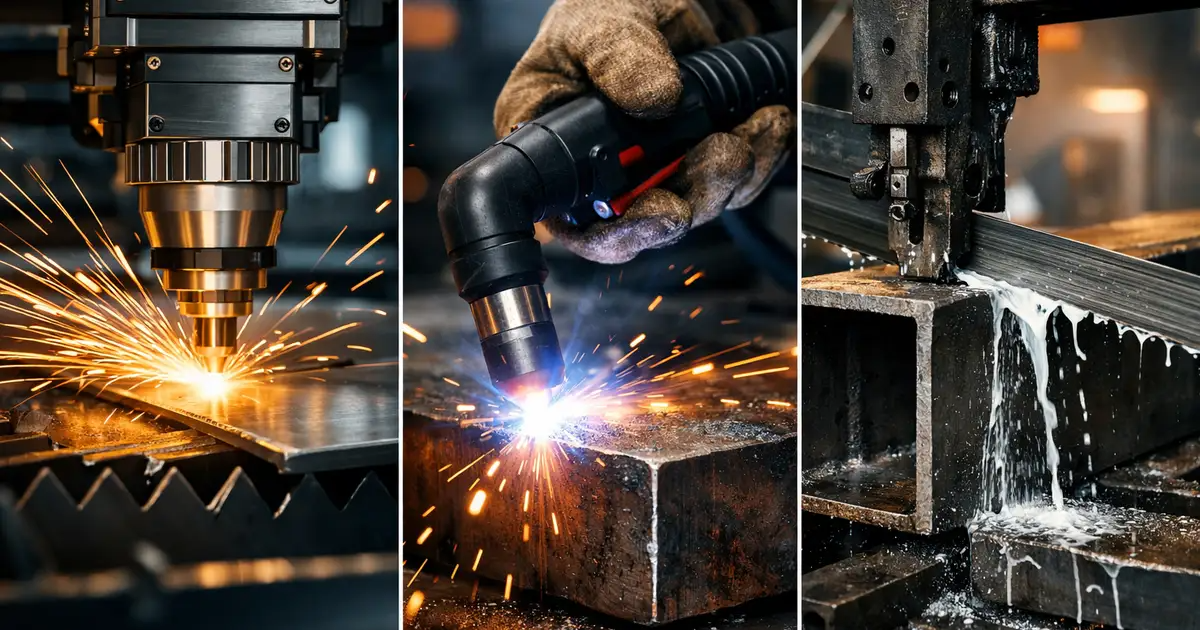
Mechanical cutting methods such as band saws and cold saws are commonly used for wire & rods, bar stock, and structural sections. These tools provide straight, accurate cuts with minimal heat transfer. For applications requiring tight tolerances and repeatability, this method delivers consistent results.
This approach is ideal for production environments where precision and clean edges are required.
2. Abrasive Cutting (Cut-Off Wheels & Chop Saws)
Abrasive cutting uses high-speed rotating discs to cut through steel. This method works well for thicker materials and job-site applications. However, it generates heat and sparks, which means extra care must be taken to manage surface finish and edge quality.
If you’re evaluating how to cut steel in a field environment, abrasive tools are often practical and efficient.
3. Plasma Cutting
Plasma cutting uses electrically conductive gas to create a high-temperature arc that slices through steel quickly. It’s especially useful for thicker plates and complex shapes. Plasma cutting offers speed and flexibility but may require secondary finishing depending on the tolerance requirements.
4. Laser Cutting
For projects demanding extreme precision, laser cutting provides clean, narrow kerf cuts with minimal material distortion. It’s commonly used in fabrication shops where accuracy and repeatability are critical. When precision edges and minimal finishing are required, laser cutting stands out.
Why Precision Matters When Cutting Steel
Understanding how to cut steel isn’t just about choosing a tool. It’s about preserving structural integrity. Improper cutting can introduce micro-cracks, heat-affected zones, or uneven edges that weaken the final component.
In industrial applications, especially those involving fasteners, structural supports, or threaded rods, a precise cut ensures better alignment, stronger connections, and improved long-term performance. Clean, accurate cutting reduces the need for rework and keeps production timelines on track.
Choosing the Right Method for Your Application
So how do you determine how to cut steel for your specific project?
Start by asking:
- What type of steel am I working with?
- What thickness needs to be cut?
- What tolerance or finish is required?
- Is this a one-off job or high-volume production?
Answering these questions helps narrow down the most efficient method. Also read about U-bolt Pipe Clamp.
Final Note
Knowing how to cut steel properly protects both your material and your timeline. The right method delivers clean edges, accurate lengths, and consistent results that integrate smoothly into fabrication and assembly processes.
At Stelrod Mfg, we approach every cut with precision. Whether it’s rod, round bar, or custom components, we focus on clean finishes and reliable tolerances that support downstream fabrication. When quality matters, cutting steel is more than a step in the process. It’s the foundation for everything that follows.